
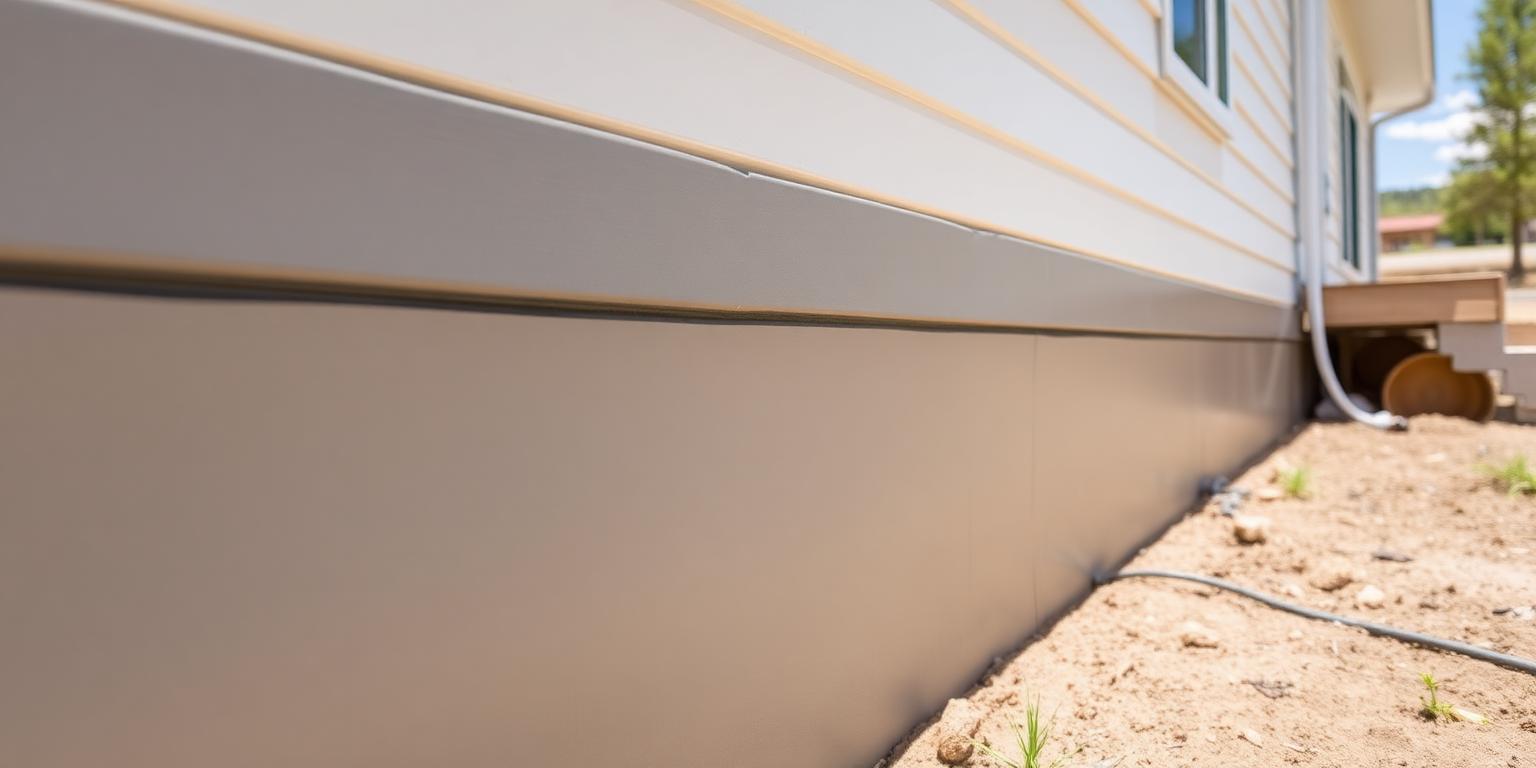
What water sealing protects against
Water sealing is the first line of defense for foundations that are otherwise sound but vulnerable to moisture. By blocking the pathways water uses to enter, sealing extends the life of concrete and reduces the conditions that lead to mold, efflorescence, and musty odors.
- Minor wall and floor seepage
- Damp spots and efflorescence
- Hairline cracks that wick water
- Basement and crawl space humidity
- Freeze-thaw damage on exposed concrete
- Dusting and deterioration of block walls
Where we apply water sealing
We seal the interior or exterior surfaces that are exposed to moisture, depending on the source of the problem. Exterior sealing is paired with drainage corrections; interior sealing is often used alongside waterproofing and dehumidification systems.
- Exterior foundation walls below grade
- Interior basement and crawl space walls
- Concrete floors and slabs
- Egress window wells and joints
- Crack repairs before coating
Why water sealing matters in Colorado
The Western Slope sees intense spring snowmelt followed by dry summer cycles. Concrete absorbs that moisture, then freezes overnight at elevation. Water sealing reduces absorption, limits freeze-thaw damage, and keeps interior spaces drier through the seasons.