
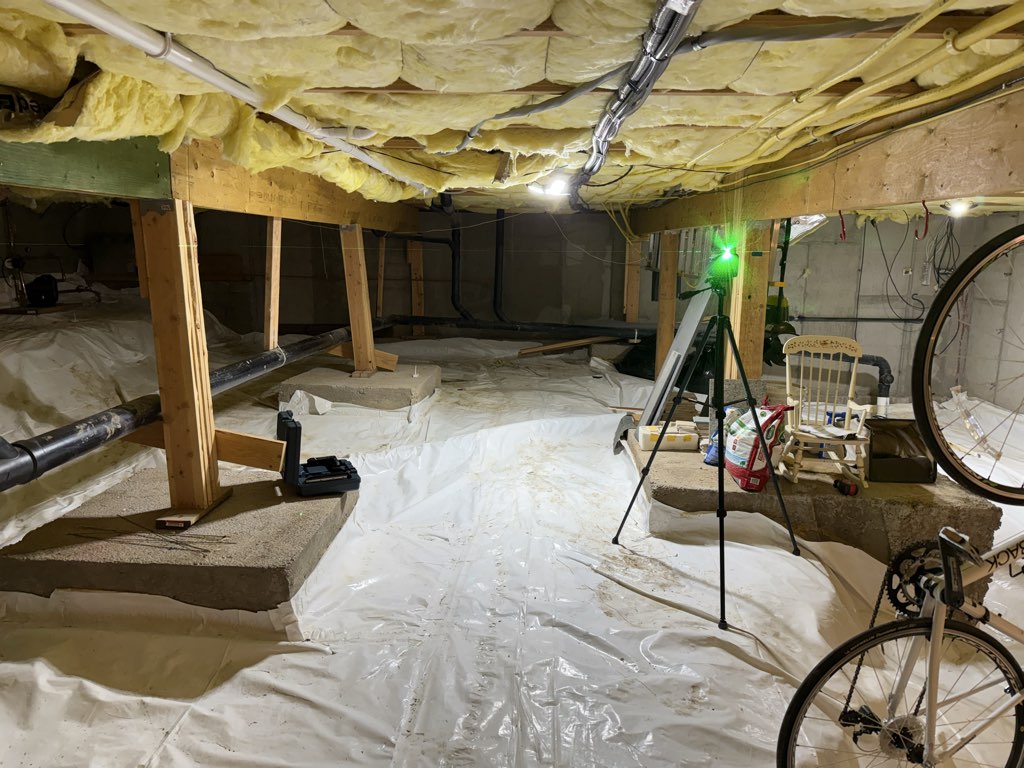
Signs your crawl space needs encapsulation
A vented dirt crawl space pulls in humid outdoor air in summer and cold air in winter. That moisture rises into the floor system, affecting air quality, energy bills, and the durability of the structure above.
- Musty odors or high indoor humidity
- Sagging or bouncy floors above the crawl space
- Visible mold, rot, or pest activity
- Insulation falling from the floor joists
- Cold floors in winter
- Excessive condensation on ducts and pipes
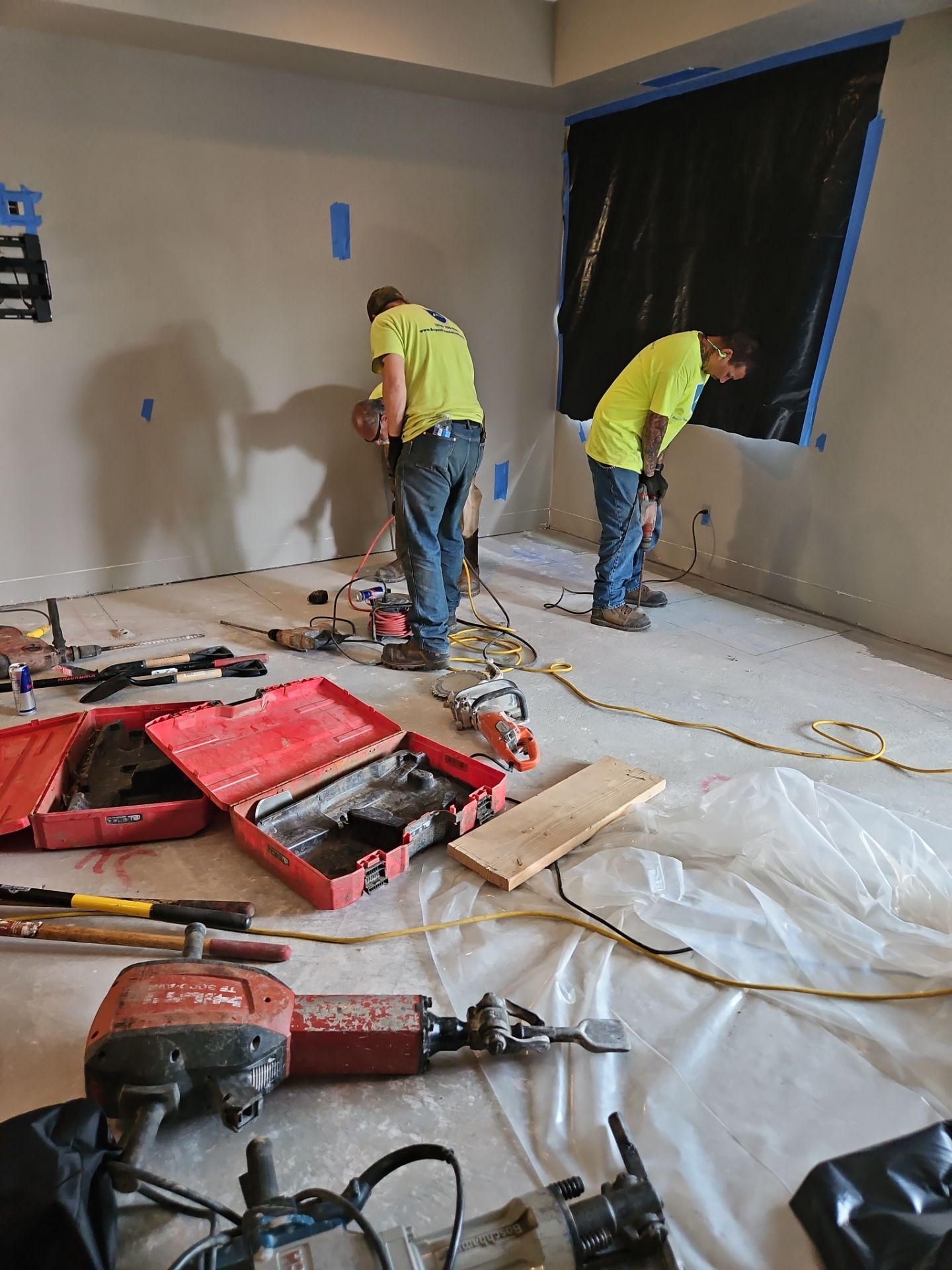
What encapsulation includes
Every crawl space is different. We inspect the water source, the structure, and the ventilation before designing a system that seals the space and controls the environment.
- Heavy reinforced vapor barrier sealed at seams and piers
- Sealed foundation vents and rim-joist insulation
- Crawl space drainage or sump pump if water is present
- Crawl-space-rated dehumidifier for humidity control
- Access door sealing and conditioned-air management
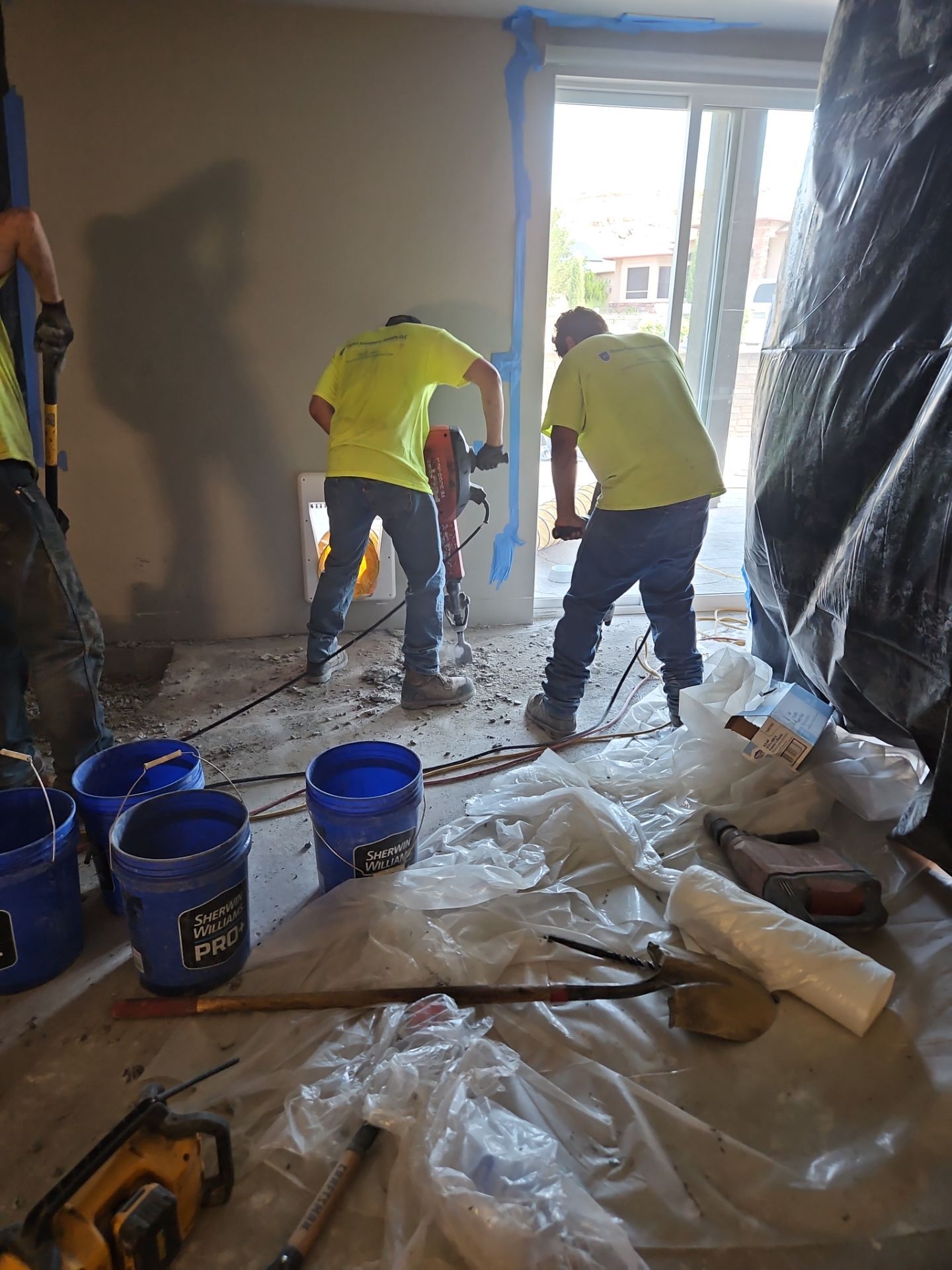
Benefits of a sealed crawl space
Encapsulation turns a damp, pest-friendly cavity into a clean, dry extension of the home. Homeowners typically notice fresher indoor air, warmer floors, and lower energy bills after the work is complete.
- Improved indoor air quality throughout the home
- Reduced humidity and mold risk
- Warmer floors in winter
- Lower heating and cooling costs
- Protected floor framing and insulation
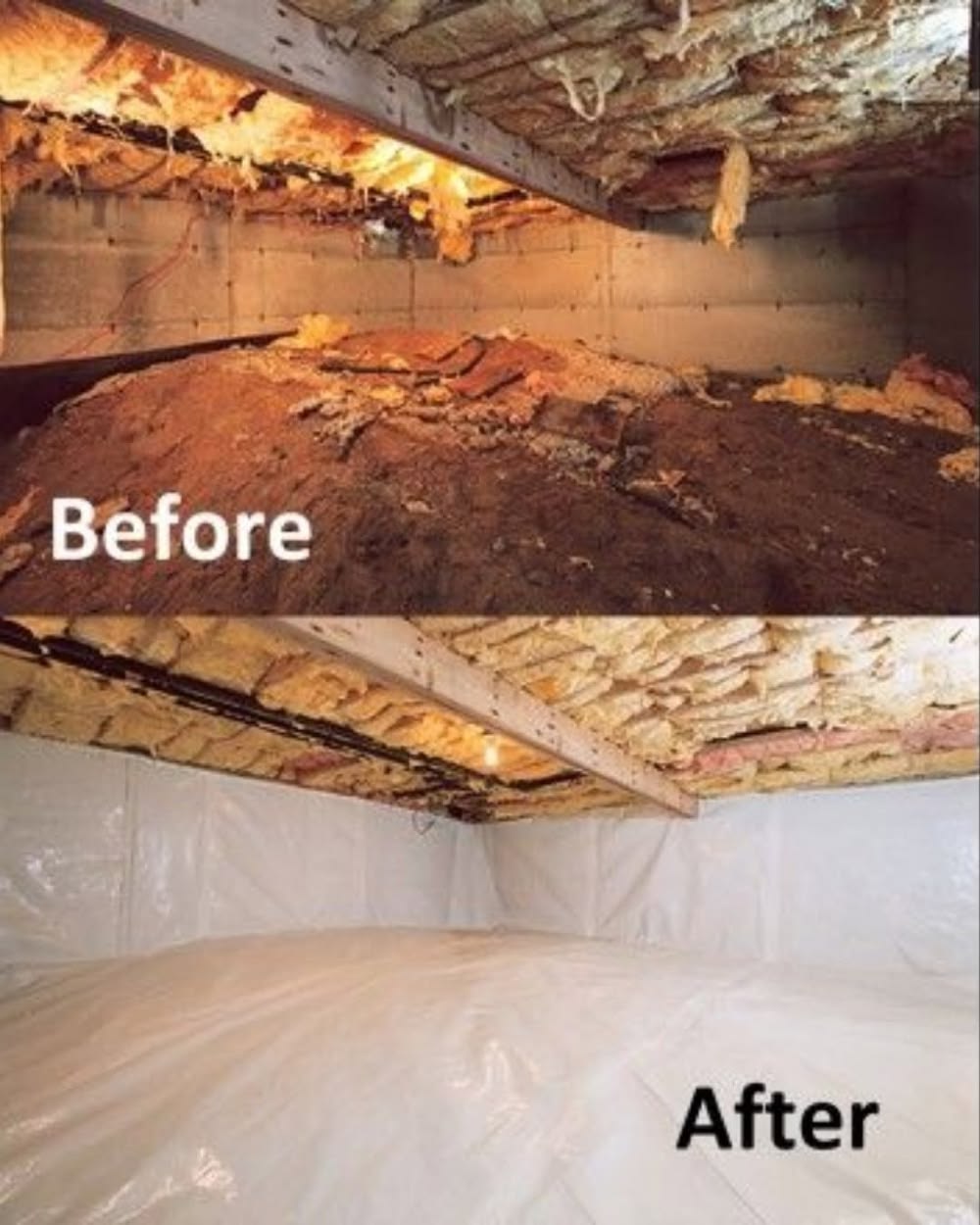
Why DIY and temporary crawl space fixes fail
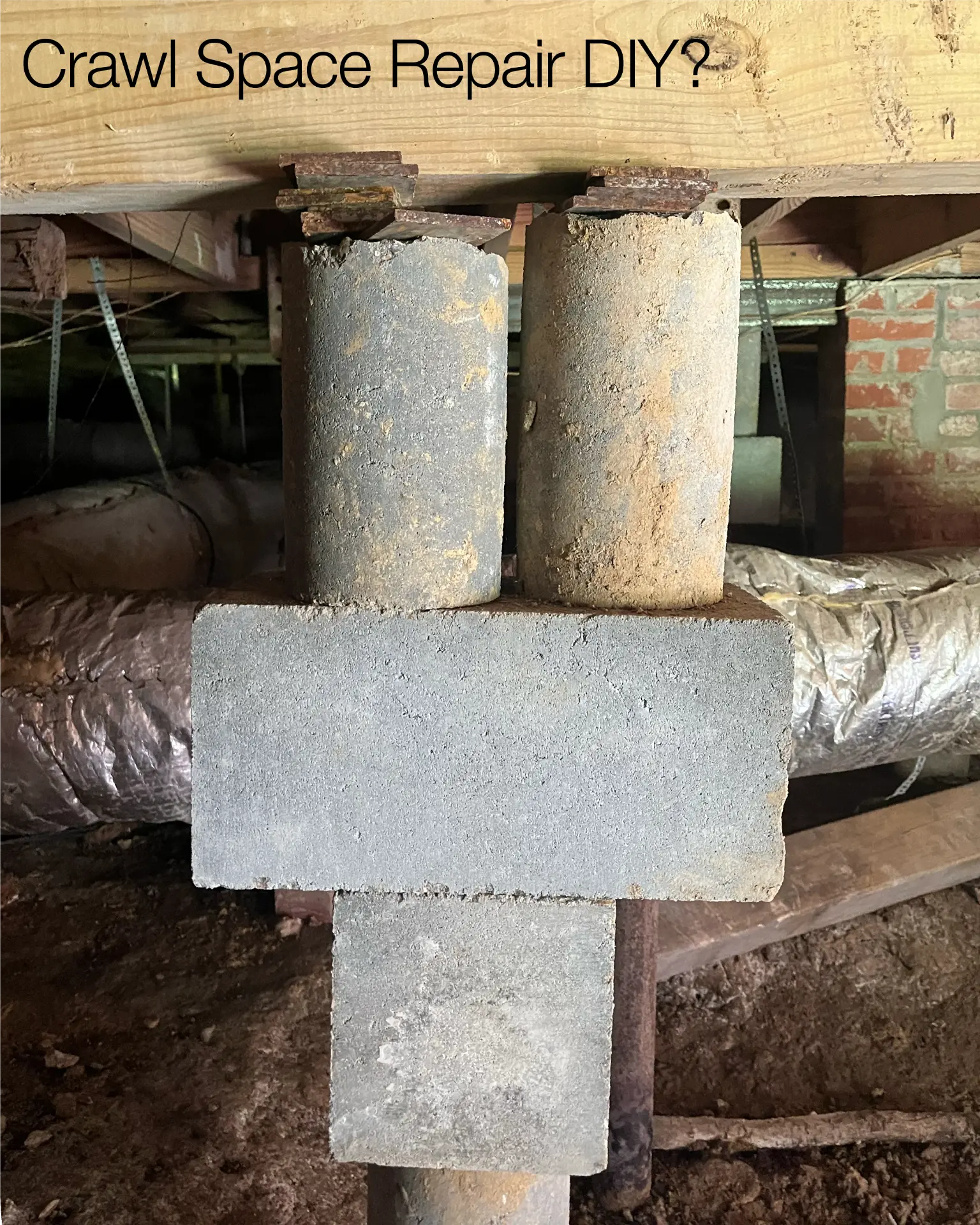
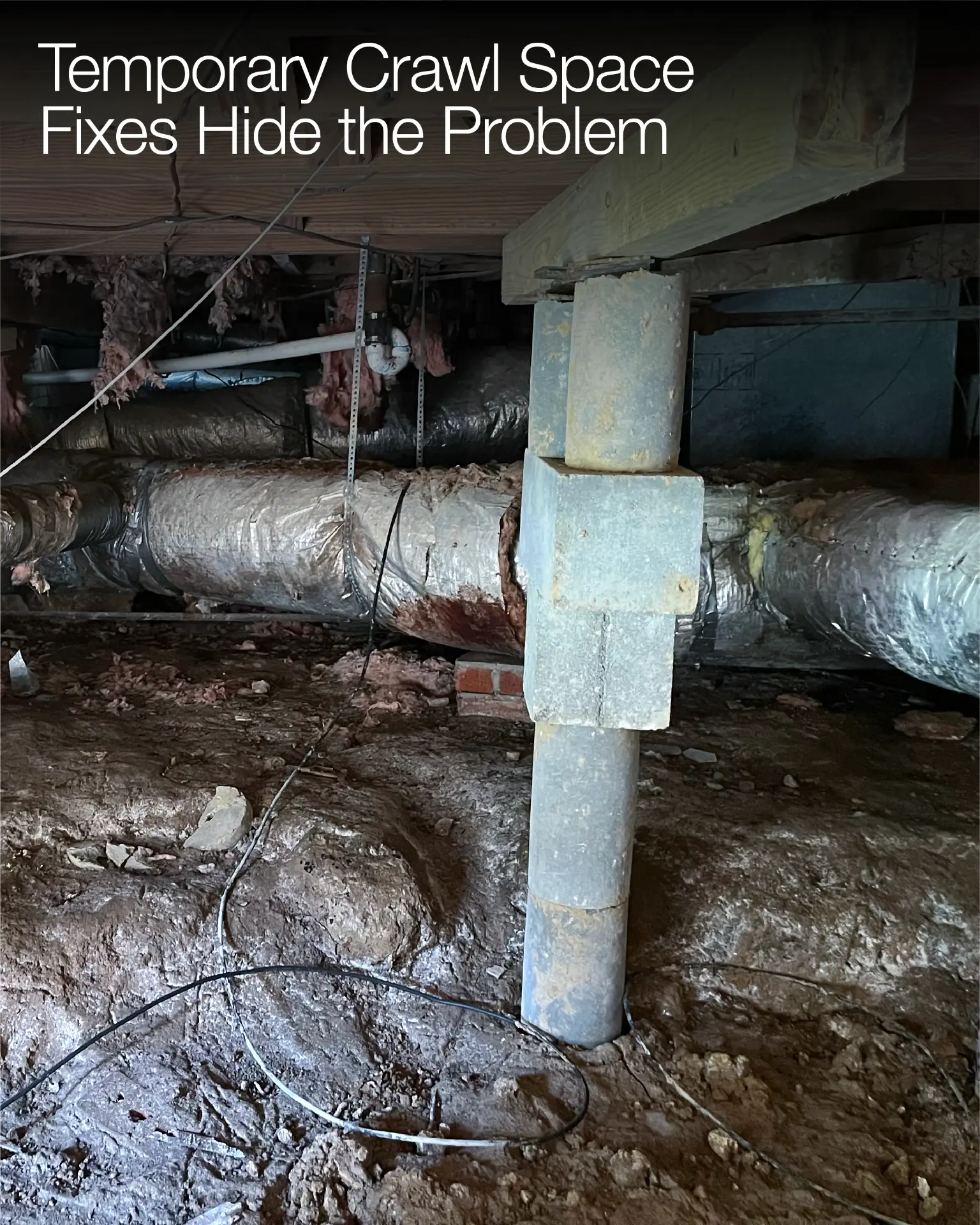
Stacked blocks, shimmed posts, and scrap-lumber cribbing look like a repair, but they sit on unsupported dirt and settle again with the next wet season. They also hide the moisture problem that caused the sagging in the first place.
- Concrete blocks and bricks stacked on bare soil have no real footing
- Rusting jack posts and shims shift as the ground moves
- Wood in contact with damp soil rots and invites pests
- Covering the symptom delays a structural diagnosis
How we repair it properly
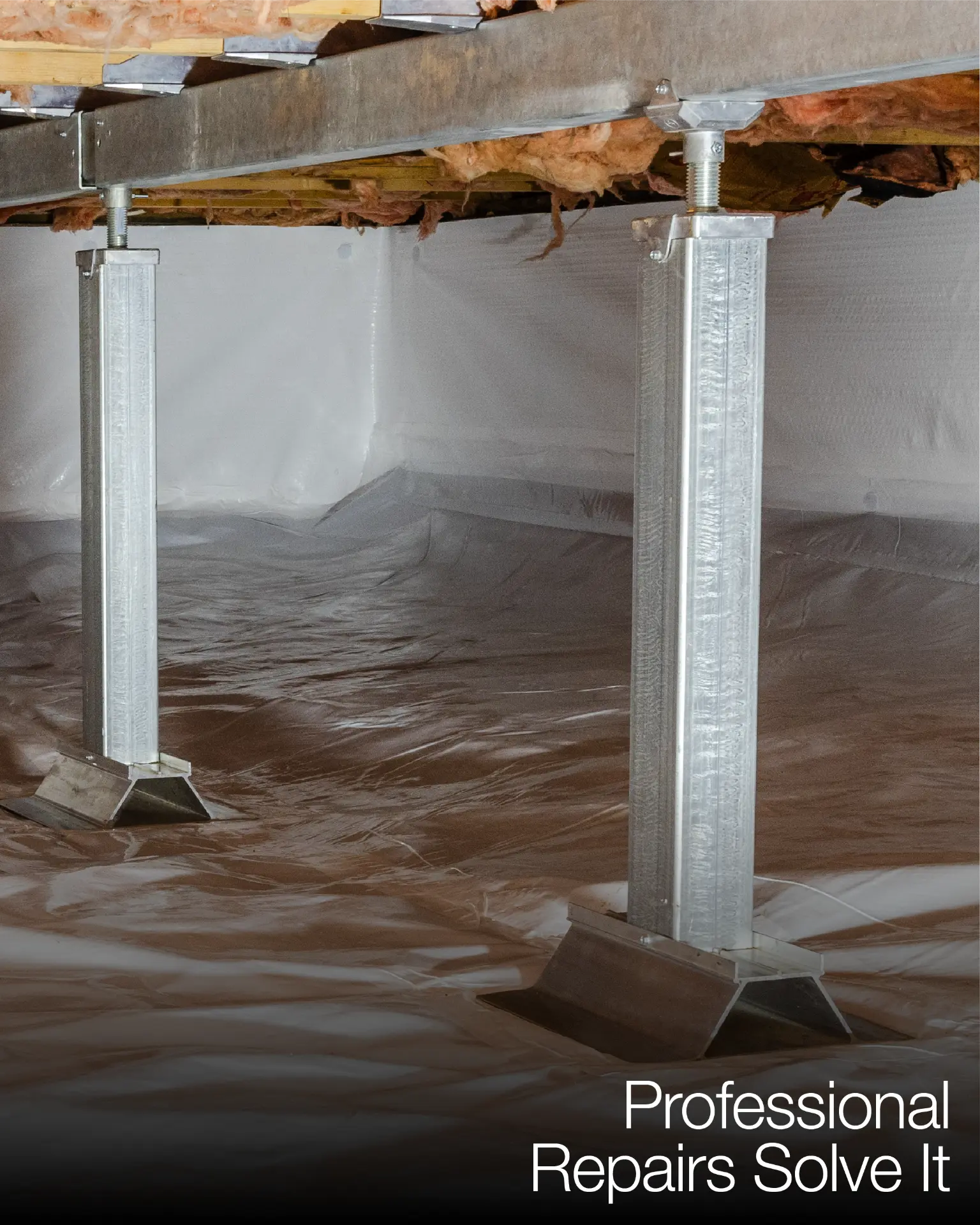
We set engineered, adjustable steel support jacks on poured concrete footings, re-level the floor system in controlled stages, then seal the space with a vapor barrier so the soil below stays stable and dry.
- Engineered footings sized for the load and soil
- Adjustable galvanized support jacks, not stacked block
- Staged lifting to protect finishes above
- Encapsulation and drainage so the fix stays permanent
Temporary fixes hide the real problem
When we open up a crawl space that has been patched before, we usually find standing moisture, damaged ducts, and failing insulation around the makeshift supports. A proper inspection finds the water source first — then the structure gets fixed once.
Why encapsulation matters here
Colorado's dry climate can be misleading — crawl spaces still collect moisture from groundwater, irrigation, and seasonal snowmelt. At elevation, temperature swings create condensation on cold surfaces. Sealing and conditioning the space prevents those problems year-round.