Foundation and geotechnical solutions
We work with general contractors, engineers, developers, and property managers throughout Colorado on projects where the soil will not carry the load as designed.
Because capacity is verified during installation, deep foundation systems can be engineered, installed, and documented on an accelerated schedule with far less spoil and site disruption than drilled or driven alternatives.
- Helical piles and helix piers
- Helical and tieback anchors
- Push pier and underpinning systems
- Grouted helical piles
- Crawl space jacks
- Foundation support data and documentation
New construction deep foundations
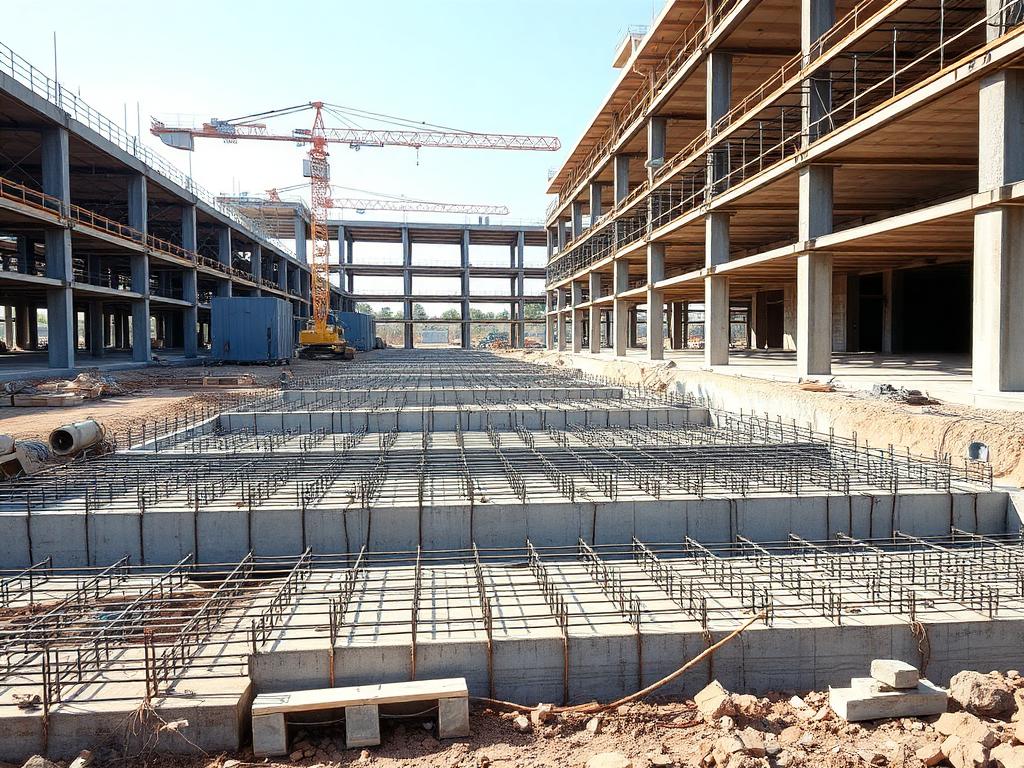
End-bearing deep foundations let you build on sites with weak surface soils, high water tables, or fill. Helical piles install with minimal vibration and noise and can be loaded immediately, which keeps tight schedules intact.
Remedial repair of existing structures
For occupied buildings, underpinning with push piers or helical piles stabilizes settlement without shutting the property down. Tieback anchors restrain retaining and basement walls under lateral load.
Property types we support
- Retail, office, and mixed-use buildings
- Multi-family and condo associations
- Light industrial and warehouse slabs
- Municipal and school facilities
- Restaurants and hospitality on tight sites
- Retaining walls and site structures
Western Colorado ground conditions
Commercial sites across Rifle, Glenwood Springs, Carbondale, Grand Junction, Aspen, Basalt and Vail sit on very different soils: Mancos shale and expansive clay in Mesa County, saturated river-valley fill along the Colorado and Roaring Fork, gypsum-bearing soils in Eagle County, and steep, freeze-thaw exposed slopes around Aspen. Each one changes the pile depth and capacity we design for.
We install to verified torque and capacity, so the load path is documented for the engineer of record rather than assumed from a soils report alone.